Boosting Success in Engineering Changes

Ever found yourself in engineering departments where tools and practices are adopted and discarded rapidly?
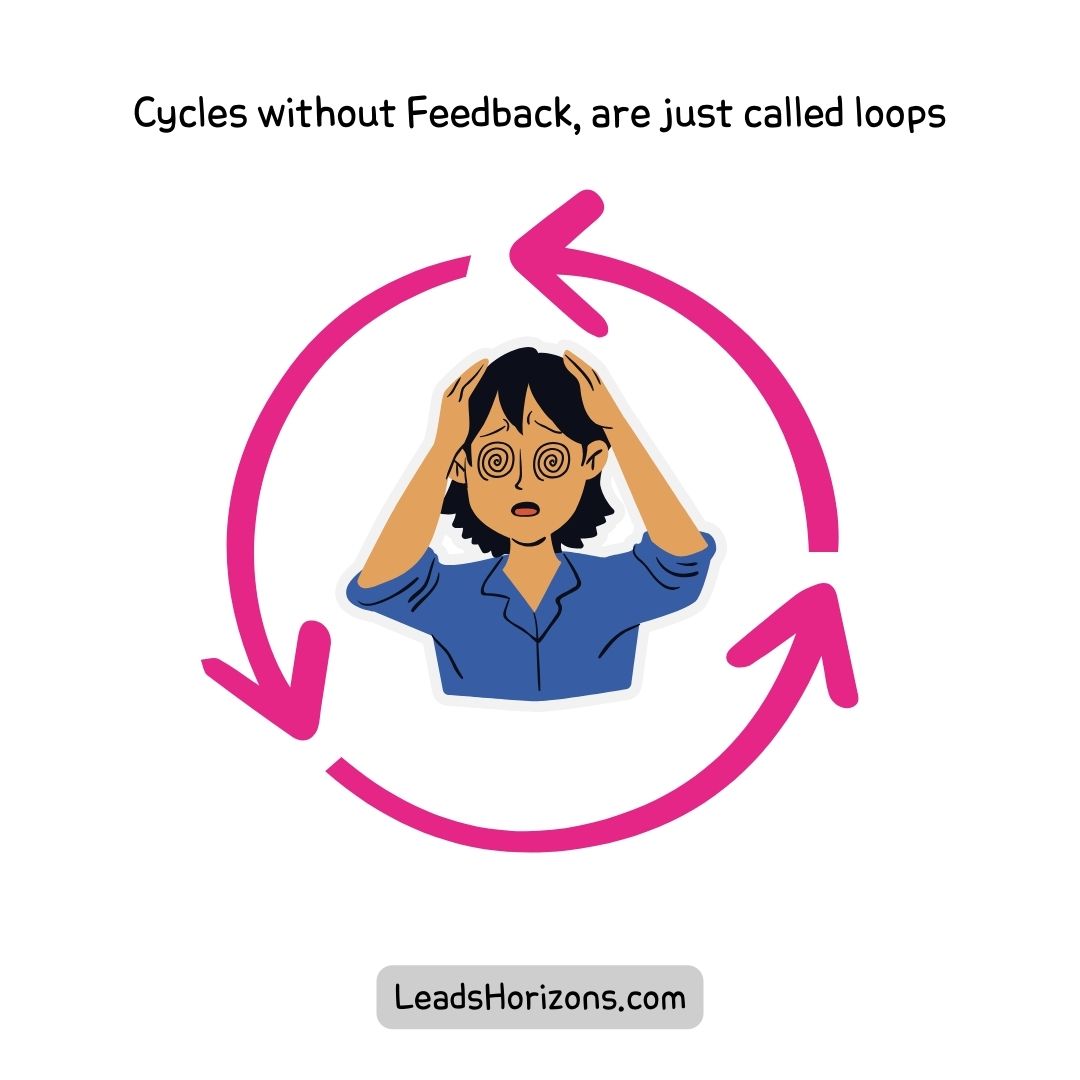
One example that might resonate are companies that try to implement their goals through OKRs. Typically, the first year doesn't yield substantial value, leading to a gradual disregard in the second year. Before the close of year two, a new acronym supersedes the existing goal definition, setting off yet another cycle.
Leads Horizons is a reader-supported publication. To receive new posts and support my work, consider becoming a free or paid subscriber.
Understanding Why New Methodology Implementations Often Fall Short
Whether we're discussing company-wide methodologies like OKRs or team-specific practices like pair programming, it's common to see implementations fall short. Often, methodologies bear the brunt of the blame due to misalignment.
Let's delve into the reasons behind these failures, and assess whether the methodology itself is at fault.
-
Difficulty in Tracking Results: When new methods are introduced, it's often challenging to see immediate results or advantages. This can lead to premature rejection of the new approach.
-
Insufficient Engagement: This covers situations where members aren't entirely on board with the new process. This could stem from inadequate understanding, disagreement with the methodology, or simple resistance to change.
While there are other reasons for failure, they typically fall under or relate closely to these main points.
Boosting Success Rates via Engineering Culture
As we've previously discussed, enhancing the success rate of engineering changes hinges on shifts in the following cultural aspects:
Patience
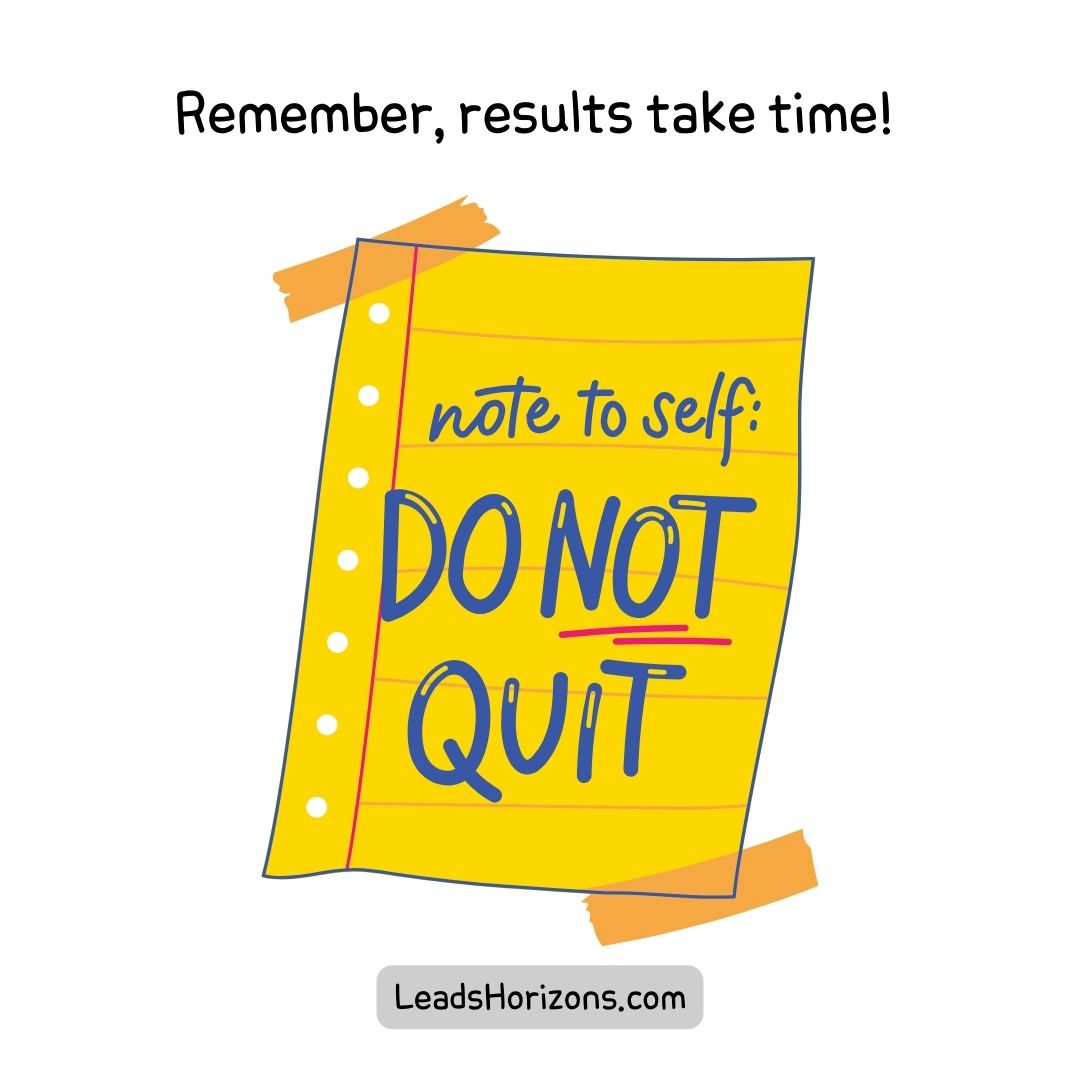
Results take time
To foster patience within the engineering department, it's essential that the company culture not only values it, but actively encourages it. Here's how:
-
Celebrate Patience: Recognize and reward patience in your workspace. This could involve acknowledging those who demonstrate patience when faced with challenges, or associating rewards and promotions with the successful long-term execution of changes.
-
Highlight the Role of Patience: Keep reminding your people about the crucial role patience plays in long-term success. Share anecdotes or instances where patience has proven beneficial in the past.
-
Lead by Example: Leadership should portray patience in their actions and decision-making. This means resisting the urge to follow the latest trends without adequate evaluation, and allowing new processes sufficient time to integrate and yield results.
Aligning Knowledge
Teamwork makes the dream work.
To effectively share knowledge throughout the engineering department, it's essential that our company culture actively supports and fosters it. This includes:
-
Transparent communication: It's crucial for everyone to understand why we're making changes and what we should anticipate. A thorough explanation of the process, timeline, potential challenges, and anticipated benefits can ensure we're all on the same page.
-
Offering support and resources: As we've discussed, lack of support can lead to frustration and potential failure. We must ensure our people have the necessary resources to successfully implement new methodologies.
-
Promoting open dialogue: We should create spaces for our people to share their thoughts, concerns, and feelings about upcoming changes. This approach encourages a sense of ownership and commitment, which can minimize the risk of premature termination.
Final thoughts
Remember, embracing change is a journey, not a race. It's important to acknowledge that while the process may be fraught with challenges, the benefits of perseverance often outweigh the initial discomfort or resistance.
Patience, coupled with knowledge alignment, can significantly increase the success rate of implementing new methodologies in engineering departments. By fostering a culture that values patience and open communication, we can better adapt to changes, overcome challenges, and achieve our long-term goals.
🗞️ Other articles you may like
📚 Picks of the Week
[
 Perspectiveship
Occam's Razor - Mental Model
During my Electronics labs at university, one group could not get the oscilloscope to work so they asked for help. The professor went over to them and said "electrical devices work best when connected to power" — and he was right, they had not turned on the power…
Read more
2 years ago · 13 likes · 8 comments · Michał Poczwardowski
[
 Data Gibberish
Ask Me Anything, June 2024
This is the first issue of the special monthly Ask Me Anything edition of Data Gibberish. This month, I picked 5 questions you asked: 🔍 How much data is enough, and how do you ensure data quality? 🤖 What are your thoughts on sanitising training data for LLMs…
Read more
2 years ago · 12 likes · Yordan Ivanov
·✌️ That’s all folks
I love hearing from readers, and I’m looking for feedback. How am I doing with Leads Horizons? Is there anything you’d like to see more or less? Which aspects of the newsletter do you enjoy the most?
Use the links below, or even better, hit reply and say hello. I’d love to hear from you!
Please don't hesitate to connect with me on LinkedIn and send a message. I always respond to every one!
Leads Horizons is a reader-supported publication. To receive new posts and support my work, consider becoming a free or paid subscriber.